How Do Porta Potties Work?
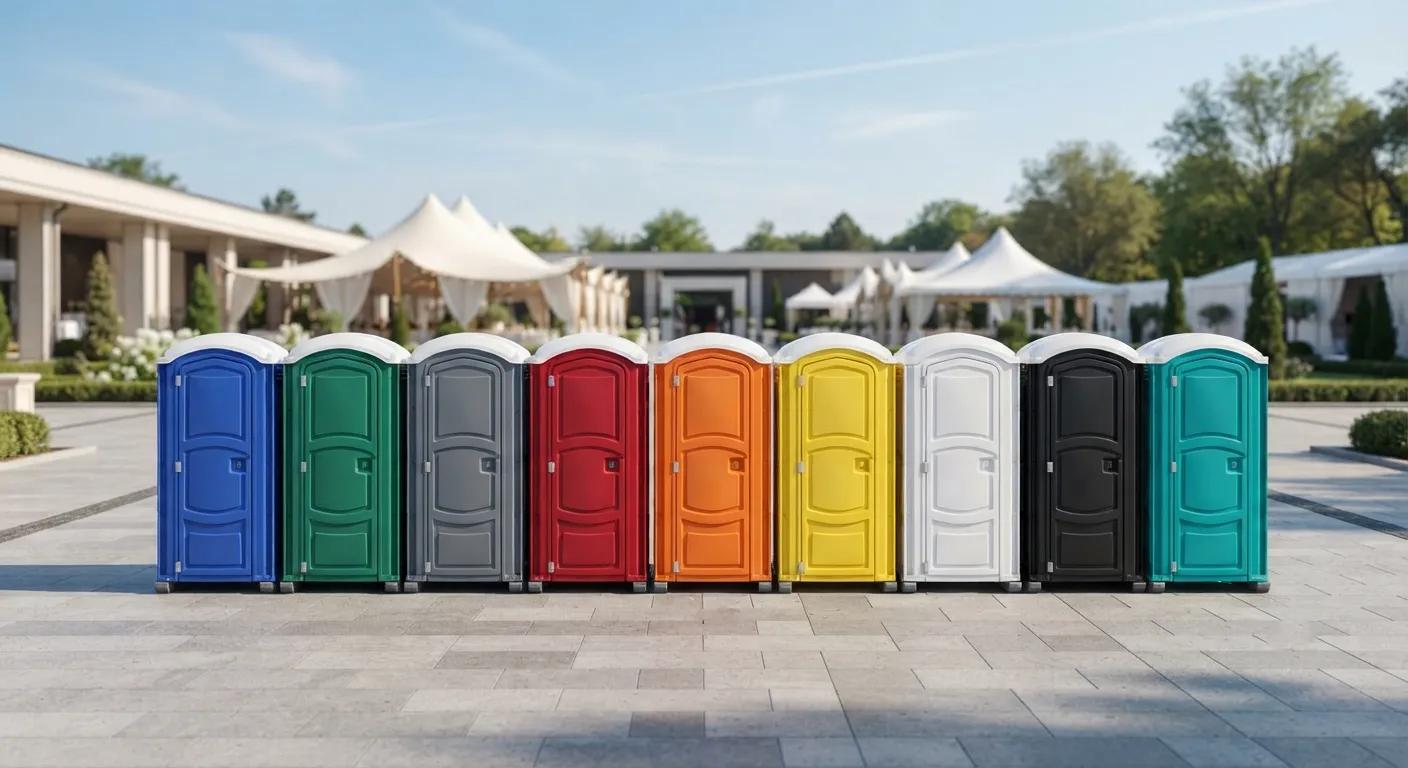
There's no mystery inside the box. A standard porta potty rental sits on a footprint about 44 by 48 inches and stands roughly 92 inches tall, just a molded shell over a holding tank. When someone uses it, waste and toilet paper drop into that 60 to 70 gallon tank, where a blue deodorizing chemical breaks down odor and helps liquid separate from solids. There's no flush, no water line, nothing to freeze or back up. A vent stack pulls air through a charcoal filter to cut smell, which is why do porta potties smell is a fair question with a real answer: less than people expect, if service stays on schedule. For a construction worker on a tight schedule, the unit needs to be close enough that a five-minute break doesn't turn into fifteen. That's the whole design brief. If you're planning for a crew, how many porta potties do I need walks through headcount and OSHA 1926.51(c) ratios, which set 1 toilet for every 20 workers on a standard job site. Federal Way Porta Pros builds routes around exactly that math, whether it's a home addition or a full construction site services package.
How Do Flushable Porta Potties Work?
A deluxe flushable porta potty adds a small onboard freshwater tank and a foot pump or pedal that pushes a rinse of water through the bowl after each use. The waste still drops into a holding tank below, same basic idea as a standard unit, just with a flush cycle layered on top for comfort. These units run more than a standard rental, and that's reflected in the price table below. They make sense for weddings, VIP areas at a festival restroom rental setup, or any event where guests expect something closer to a real bathroom. For daily comfort on longer jobs, some crews upgrade from a basic unit to a deluxe model rather than jump straight to a restroom trailer rental, which is a bigger commitment with its own delivery footprint.
How Do Camping Porta Potties Work?
Out at a campsite, the same tank-and-chemical logic applies, just scaled down or made more rugged for uneven ground. ADA Standards section 302.1 calls for stable, firm, slip-resistant footing, and that matters more outdoors than on a paved lot. If a site needs an accessible option, ADA accessible porta potty units meet ADA Standards section 213.2, which requires at least 5 percent of clustered single-user units to be accessible, and never fewer than one. Those units also give a 60 inch turning circle per ADA Standards section 304.3.1 and a 32 inch clear door opening under section 404.2.3, so a wheelchair user isn't fighting the door on top of everything else. For remote or seasonal use, camping porta potty setups often pair with a porta potty in winter service plan, since cold weather changes how fast a tank needs pumping and how the chemical performs.
What Chemicals Keep a Porta Potty Working?
The blue liquid in the tank is a deodorizing chemical, not a cleaning product, and it does three jobs: masks odor, breaks down waste, and helps keep the tank from foaming during a service pump-out. This is different from a septic tank cleaning chemical, which is a household product meant to help a residential system, not a portable toilet. Techs also carry cleaning solution for wiping down the seat and interior on every visit. None of this replaces real handwashing. Under 29 CFR 1910.141(d)(2), handwashing needs soap and a towel or air dryer, not just sanitizer, which is why a lot of Federal Way job sites pair their toilets with a handwashing station rental or a portable sink rental instead of relying on a wall-mounted sanitizer dispenser alone.
How Does a Portable Sink Work?
A portable sink runs on a self-contained system: a freshwater tank up top, a foot pump or hand pump to push water through the faucet, and a greywater tank below to catch runoff. No hose bib, no drain line. Soap dispensers are usually built into the unit, which matters because OSHA 1926.51(f)(1) requires washing facilities specifically where workers handle paints, coatings, herbicides or insecticides. A crew painting siding or spraying weed killer on a Federal Way job site needs that washing setup on hand, not just a general toilet. Pair a hand sanitizer station rental as a backup, but it shouldn't be the only option, per the standard above.
Pricing at a Glance
| unit | day | week | month |
|---|---|---|---|
| standard | $100-$350 | $130-$500 | $125-$325 |
| deluxe | $85-$1,200 | $150-$290 | -- |
| ada | $200-$400 | $240 flat | -- |
Delivery runs separately; see porta potty rental cost or monthly porta potty rental for the full breakdown by duration.
How often does a porta potty get serviced?
Weekly is the baseline for moderate use, per ANSI/PSAI Z4.3, which sets one visit a week for up to 10 users over a 40 hour week. High-traffic events or large crews need more frequent visits. See how often are porta potties cleaned for details by use case.
Do porta potties need a permit in Federal Way?
Placement in the public right of way needs confirming with the city; that rule isn't settled here. For anything near a sidewalk or street in Federal Way, check with the city before delivery. See porta potty permit requirements for more.
Can a construction worker use a porta potty during a shift without losing time?
Yes, that's the point of unit placement. OSHA 1926.51(c) sets minimum toilet counts by crew size, and placing units close to the work area keeps breaks short. See OSHA portable toilet requirements for the full ratio table.
Are flushable porta potties worth it for a backyard wedding?
Often yes, if guests expect real bathroom comfort. A deluxe unit adds a flush cycle over a standard model, at a higher rental cost. Check wedding restroom rental or event restroom rental for setups sized to guest count.
Does Federal Way Porta Pros serve nearby towns too?
Yes. Federal Way Porta Pros delivers to Milton, 6.6 miles south, Des Moines, 7.0 miles north, and Edgewood, 7.7 miles southeast, along with Fife and Puyallup further out. See service areas for the full list.
Next step
Get a delivery date
Tell us the address, the dates and the headcount. We size the order and confirm the route.